Beyond Conventional Care:
Alternative Treatments for Parkinson's Disease
A comprehensive analysis of complementary therapies for tremor management, drawing from clinical evidence and patient experiences on HealthUnlocked.
Overview of Alternative and Complementary Therapies
Alternative and complementary therapies encompass a broad range of practices and products that are not typically part of conventional medical care. The term "complementary" signifies that these therapies are used in conjunction with standard medical treatments, whereas "alternative" implies they are used instead of conventional medicine [24].
These therapies can include dietary supplements, herbal remedies, manipulative treatments, exercise-based programs, and mind-body practices such as yoga, Tai Chi, and meditation. They aim to manage symptoms, alleviate pain, reduce stress, and improve overall quality of life for individuals with Parkinson's Disease [47].
Therapy Categories
- Dietary supplements
- Herbal remedies
- Mind-body practices
- Physical therapies
- Device-based treatments
Prevalence of Use
The use of complementary and alternative therapies is highly prevalent among individuals living with Parkinson's Disease, with many patients seeking additional ways to manage symptoms and improve quality of life.
Vilim Ball: AI-Powered Tremor Reduction Device
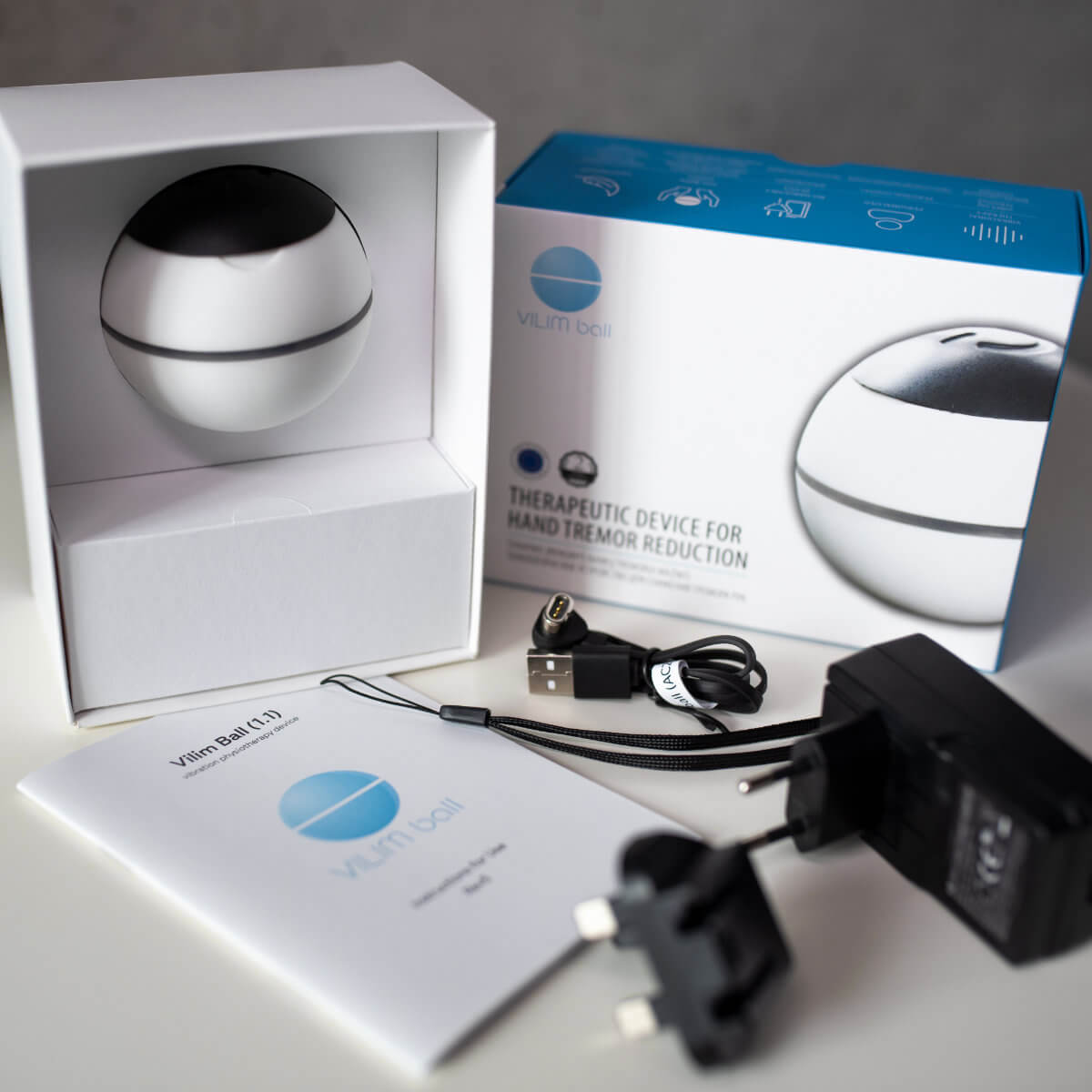
"The Vilim Ball gradually reduced and calmed my Right Hand Tremor by 50%."
— User "deedee777" on HealthUnlocked [314]Technology & Mechanism
AI-Powered Personalization
The Vilim Ball employs built-in artificial intelligence that analyzes the user's tremors via sensors and adjusts treatment vibrations accordingly, providing a personalized therapeutic experience [326].
8-18 Hz
0-2 mm
Usage Protocol
- Duration: 10 minutes per hand
- Frequency: 3 times daily
- Interval: Every 4 hours
- Trial Period: Minimum 14 days
Clinical Evidence
A prospective study involving 17 patients with Essential Tremor showed that the tremor power spectrum was significantly lower after device use (mean 0.106 vs. 0.042 m2/s3 Hz, p=0.027) [347]. An extended safety study with 51 patients (31 with ET and 20 with Parkinsonian tremor) found that 48 patients reported improvement in tremor symptoms.
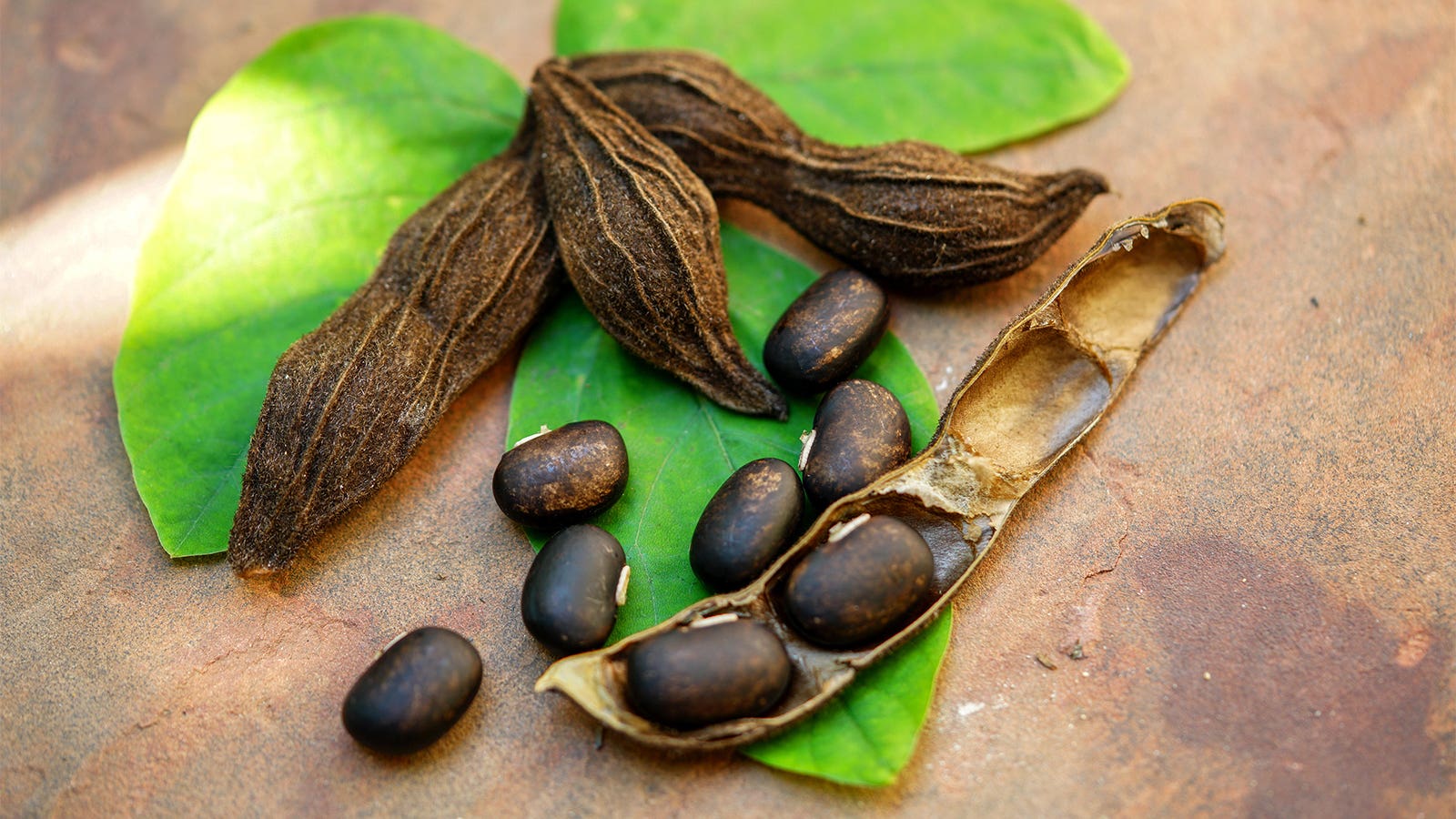
Mucuna Pruriens: Natural Source of Levodopa
Pharmacological Profile
- L-dopa content: 4-7% by weight
- Onset of effect: 34.6 minutes (vs 68.5 for conventional L-dopa)
- Peak concentration: 110% higher than standard LD/CD
Clinical Evidence
Faster Onset & Longer Duration
A double-blind crossover study found that a 30g Mucuna dose led to significantly faster onset of effect and 21.9% longer mean "on time" compared to standard L-dopa/carbidopa [332].
Reduced Dyskinesias
Studies show that Mucuna pruriens can provide similar motor improvement with fewer dyskinesias and adverse events compared to conventional L-dopa preparations [350].
"When mucuna begins to take affect... all shaking stops, at least for me it does."
— User "Harleybob08" on HealthUnlocked [337]User Experiences
Positive Outcomes
- • 11-year user with stable medication requirements
- • Complete tremor cessation during effect
- • Near-complete resolution of severe tremor
- • Faster action than conventional L-dopa
Mixed Results
- • No change with 1500mg dose in some cases
- • Anxiety reported at higher dosages
- • Variable L-dopa content between preparations
- • Requires careful dosage management
Dietary Approaches
MIND Diet & Ketogenic Approaches
MIND Diet Benefits
The MIND (Mediterranean-DASH Diet Intervention for Neurodegenerative Delay) diet combines aspects of Mediterranean and DASH diets, emphasizing berries, green leafy vegetables, nuts, whole grains, fish, poultry, and olive oil [175].
- • Berries & leafy greens
- • Nuts & whole grains
- • Fish & poultry
- • Olive oil
- • Red meat
- • Butter & cheese
- • Pastries
- • Fried foods
Ketogenic Diet Findings
A pilot randomized controlled trial investigated the ketogenic diet vs. low-fat diet in PD patients over 8 weeks. While both groups showed improvements, the ketogenic group demonstrated more substantial decreases in non-motor symptoms [30].
Caution: The ketogenic diet group reported intermittent exacerbation of PD tremor and/or rigidity, leading to two patient withdrawals.
Gut Microbiome Support
Prebiotics & Probiotics
- L. Plantarum: User-reported tremor and anxiety benefits
- Inulin (10g/day): Improved butyric acid production
- SCFA Promotion: May reduce motor symptom severity
"Performing a microbiome analysis showed lack of butyric acid-producing bacteria... started taking inulin (10 g/day)... tremor was getting less intense over time."
— User "Maarten" [162]Mind-Body Practices
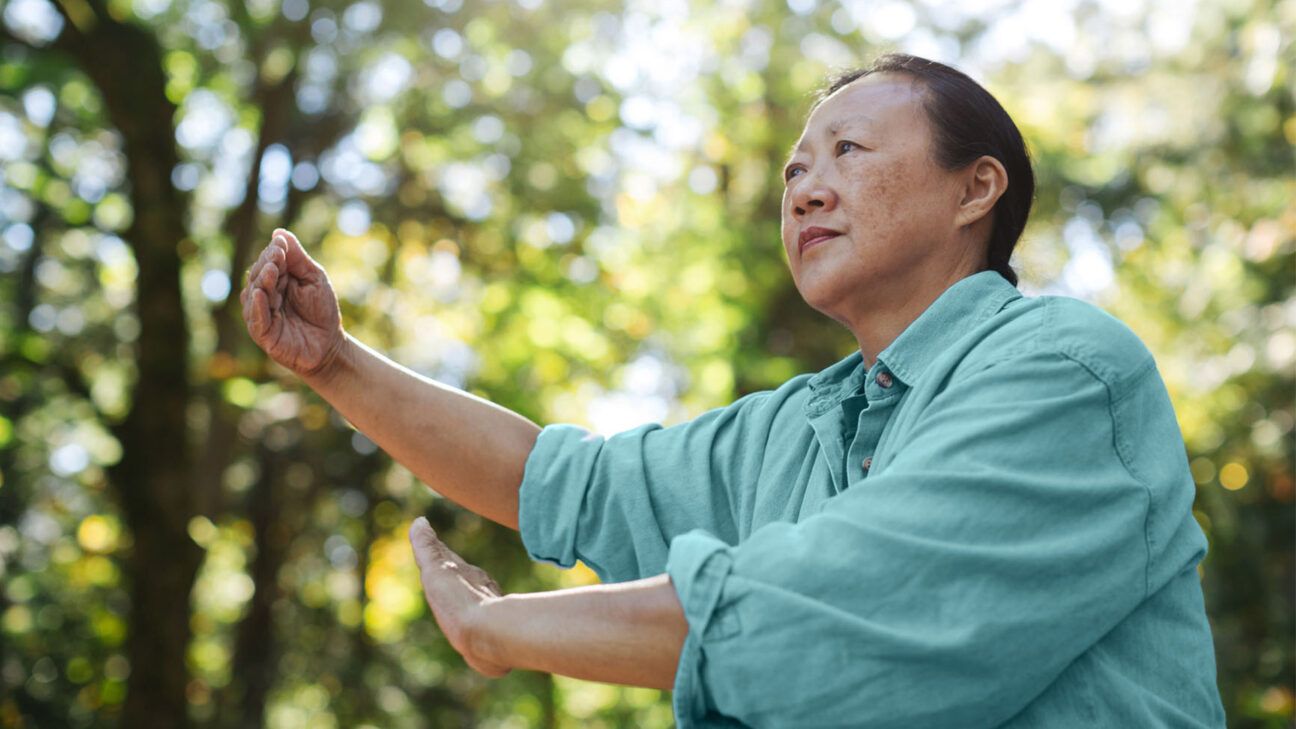
Yoga Nidra & Meditation
Users report temporary tremor relief through deep relaxation practices. One participant noted tremors reduced to zero during "Mindfulness of Breath and Body" practice, remaining diminished for about 10 minutes afterward [242].
"Yoga Nidra helped to stop my tremor completely for some or most of the time during the practice... a blessed relief."
— User "docjleonard55"Tai Chi for Motor Function
One of the largest Tai Chi trials included 195 PD subjects randomized to Tai Chi, resistance training, or stretching. The Tai Chi group performed significantly better on postural stability and recorded fewer falls [48].
- • Improved balance
- • Better postural stability
- • Reduced falls
- • Enhanced motor function
- • Slow, flowing movements
- • Deep breathing
- • Mindfulness focus
- • Low-impact exercise
Qigong Evidence
Evidence for Qigong is more mixed. While one non-blinded RCT demonstrated short-term motor benefits, a blinded, high-quality study did not show significant benefits compared to conventional aerobic exercise [186].
Supplements & Herbal Remedies
Vitamin D
Vitamin D deficiency correlates with both motor and cognitive dysfunction in PD. Studies show PD patients often have significantly lower vitamin D levels [383].
Recommended Dosage
- • 10μg/day for ages ≥50 (light skin)
- • 20μg/day for osteoporosis/care homes
- • Maximum 50μg/day from supplements
High-Dose Thiamine
Dr. Costantini's research shows oral therapy can produce appreciable improvement within days. Intramuscular injections (100mg) show almost sudden improvement within one hour [394].
Reported Benefits
- • 30-40% UPDRS improvement
- • Tremor reduction
- • Improved facial expression
- • Better movement speed
Other Supplements
Antioxidant properties, mitochondrial support
Stress reduction, anti-inflammatory
Anti-inflammatory cytokine modulation
May reduce rigidity and tremors
Physical Activity & Exercise
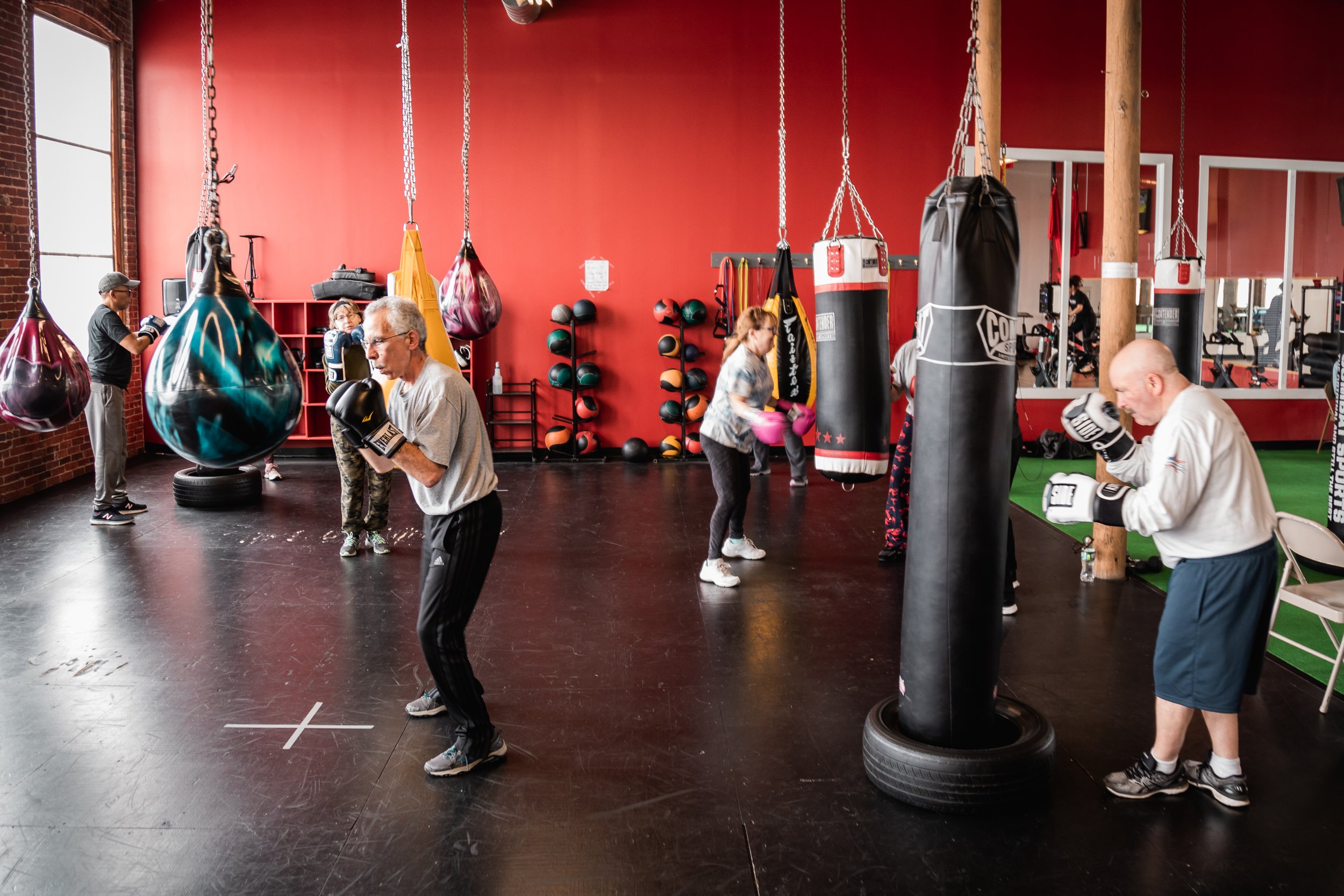
General Exercise Benefits
Regular physical activity including hiking, swimming, and strength training contributes to overall physical fitness, crucial for managing progressive motor symptoms [129].
- • Maintains muscle strength and flexibility
- • Improves cardiovascular health
- • Enhances endurance and balance
- • Supports overall motor control
Specialized Programs
Rock Steady Boxing
Non-contact, boxing-inspired fitness program designed specifically for PD patients. Focuses on agility, strength, coordination, and balance.
Dance Therapy
Includes tango, ballet, and other dance forms designed to address specific motor challenges in Parkinson's Disease.
LSVT BIG
Intensive amplitude-based training program focusing on large, exaggerated movements to combat bradykinesia.
"The high-intensity, rhythmic, and large-amplitude movements involved in boxing are particularly beneficial for combating bradykinesia and rigidity."
Considerations & Cautions
Safety First
The NHS states that while many complementary therapies claim to ease PD symptoms, "there's no clinical evidence they're effective at controlling the symptoms of Parkinson's disease" [208].
- • Always consult healthcare professionals before starting
- • Many supplements interact with PD medications
- • Quality and purity of products vary significantly
- • Regulation of alternative products is limited
Evidence Limitations
Many complementary therapies lack rigorous scientific evidence. Studies often have small sample sizes, methodological flaws, and inconsistent results [186].
Professional Guidance
Healthcare professionals can provide guidance on safety and potential efficacy based on scientific evidence and individual health profiles [129].
- • Medication interactions
- • Individual response variability
- • Stage and severity of PD
- • Overall health status
Treatment Decision Framework
76-93% efficacy"] E --> G["Mucuna Pruriens
21.9% longer on-time"] E --> H["Mind-Body Practices
Tai Chi, Yoga Nidra"] E --> I["Supplements
Vitamin D, Thiamine"] F --> J["Monitor Response"] G --> J H --> J I --> J J --> K{"Beneficial?"} K -->|"Yes"| L["Continue with Monitoring"] K -->|"No"| M["Re-evaluate with Doctor"] D --> N["Regular Follow-up"] L --> N M --> N classDef diagnosis fill:#fef2f2,stroke:#dc2626,stroke-width:3px,color:#7f1d1d classDef treatment fill:#f0f9ff,stroke:#0284c7,stroke-width:2.5px,color:#0c4a6e classDef category fill:#f0fdf4,stroke:#16a34a,stroke-width:2.5px,color:#14532d classDef therapy fill:#fffbeb,stroke:#d97706,stroke-width:2.5px,color:#92400e class A diagnosis class D,F,G treatment class E category class H,I therapy
Key Takeaways
Promising Approaches
- • Vilim Ball: AI-powered tremor reduction with clinical evidence
- • Mucuna Pruriens: Natural L-dopa with faster onset and longer duration
- • Tai Chi: Proven benefits for balance and motor function
- • High-Dose Thiamine: Rapid improvements in clinical settings
Essential Cautions
- • Always consult healthcare professionals first
- • Individual responses vary significantly
- • Many therapies lack rigorous evidence
- • Potential medication interactions require monitoring
"While alternative treatments offer hope for Parkinson's patients, their use must be guided by evidence, professional supervision, and careful monitoring to ensure safety and effectiveness."